

Spain
Spain is one of those destinations you will never get tired of recommending. It suits almost every kind of traveller, whether you want lazy beach days, food-filled city breaks, family holidays, island escapes, culture, nightlife, or a mix of all of it in one trip.
Latest Offers
Take a look at our latest Spain offers for everything from Balearic beach breaks and Costa del Sol sunshine to stylish Barcelona city stays and year-round Canary Island escapes. Spain is one of those rare destinations where it is very easy to find a holiday that fits your pace, your budget, and the kind of experience you want.
Visa
For British citizens travelling to Spain on a full UK passport, you can currently visit Spain visa-free for up to 90 days in any 180-day period for tourism, visiting family or friends, business meetings, short studies, and similar short stays. Your passport must have been issued less than 10 years before arrival and must be valid for at least 3 months after the day you plan to leave the Schengen area.
At border control, you may also be asked to show a return or onward ticket, proof of travel insurance, enough money for your stay, and your accommodation details or host address. Entry procedures across the Schengen area are changing with the phased rollout of the Entry/Exit System, so it is worth checking the latest UK government advice shortly before departure.
Climate
Spain is not a one-weather country, which is something first-time visitors often do not realise. Spring, from March to June, is widely considered one of the best times to visit, especially for sightseeing, city breaks, and touring. Summer, from June to September, is the hottest and driest period, with daytime temperatures usually above 30°C in many areas, while the north tends to stay greener, cooler, and a little wetter than the south and inland regions.
If you want classic beach weather, summer is ideal, but for walking, exploring cities, and eating outdoors without the full summer heat, I would usually steer people towards late spring or early autumn. For winter sun, the Canary Islands and parts of the south coast are especially reliable, which is one of the reasons Spain remains such a strong year-round holiday favourite.
Available Transport Options in Spain
Spain is very easy to get around once you know which transport works best for your trip. For city breaks and multi-centre holidays, the rail network is excellent, while flights and car hire open up the islands and coastal regions beautifully.
Air Travel
Spain has major international gateways including Madrid, Barcelona, Palma de Mallorca, Málaga, Gran Canaria, Alicante-Elche, and Tenerife Sur, so flying in and around the country is usually straightforward.
Train
Spain’s high-speed rail network links major cities such as Madrid, Barcelona, Seville, and Valencia quickly and comfortably, with some journeys taking around three hours or less.
Bus
Coach travel is a practical and often affordable option, with operators such as Alsa covering a huge range of cities, towns, airports, and regional routes.
Car Rental
Car hire is a great choice for island stays, scenic coastal drives, and rural areas, and it is especially useful in places like Tenerife where you can pick up a car at the airport and explore at your own pace.
Barcelona
Barcelona is one of those cities that works brilliantly for people who want a beach holiday feel without giving up culture. Set on the Mediterranean and known for Gaudí, bold architecture, food markets, and an easy city-meets-sea atmosphere, it is one of Spain’s most rewarding first stops.
Madrid
Madrid offers a different side of Spain, full of grand boulevards, impressive museums and elegant historic squares. The city is famous for its world-class art galleries, vibrant food scene and lively nightlife that keeps the city buzzing well into the evening.
Costa del Sol
The Costa del Sol remains a classic for sunshine holidays, and it still earns that reputation. With pleasant weather, well-known resorts, lovely beaches, marinas, whitewashed villages, and easy access through Málaga, it is ideal for couples, families, golfers, and travellers who like a resort base with day-trip options.
Seville
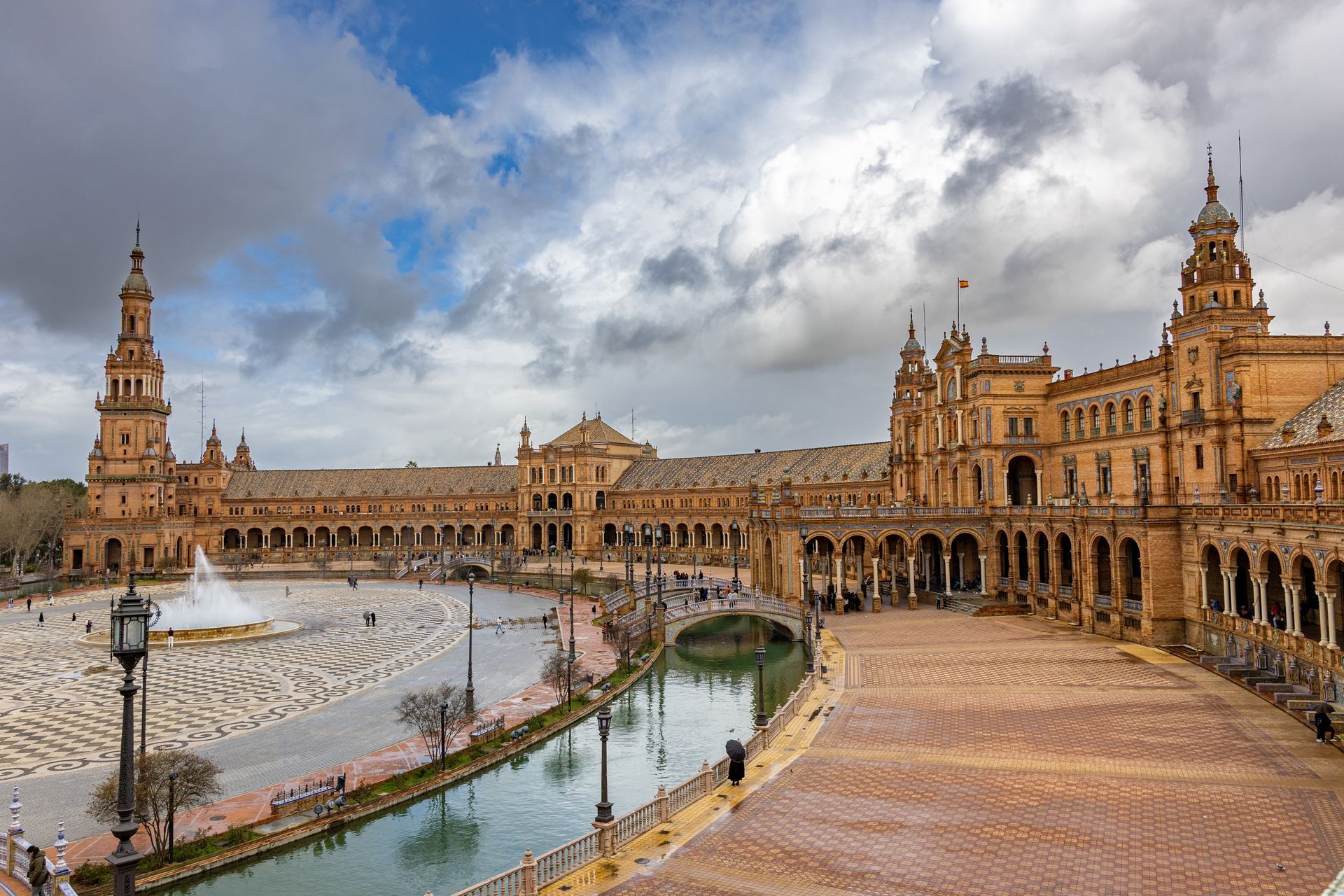
Seville captures the spirit of southern Spain with its historic architecture, colourful streets and passionate flamenco culture. The city is home to stunning landmarks including the Alcázar Palace and the vast Seville Cathedral, making it a wonderful destination for travellers interested in history and atmosphere.
Our Top Destinations in Spain
Spain has no shortage of famous holiday spots, but these four are consistently popular for good reason. They each offer something different, and together they show just how varied holidays in Spain can be.
Spanish Islands
The Spanish Islands are among the most popular holiday escapes in Europe, famous for their sunshine, golden beaches, and relaxed Mediterranean lifestyle. Spread across the Balearic Islands in the Mediterranean and the Canary Islands off the coast of Africa, each island offers its own unique charm — from lively resorts and stylish beach clubs to dramatic volcanic landscapes and peaceful coastal villages.
Ibiza
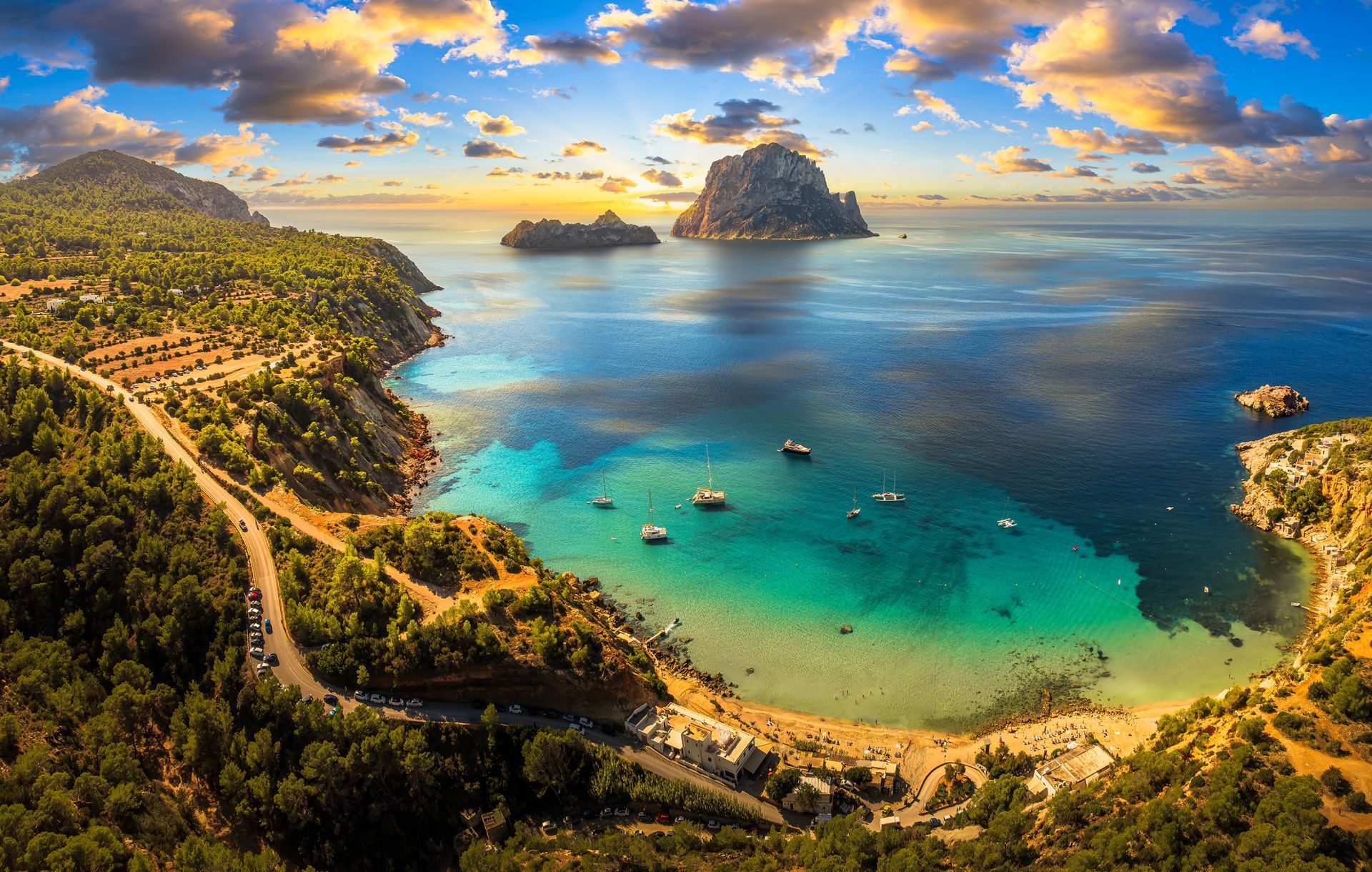
Ibiza is famous around the world for its legendary nightlife, but anyone who has spent time on the island knows there is so much more to it than the famous clubs. Yes, the energy of places like Ibiza Town and San Antonio draws visitors looking for music, beach clubs, and unforgettable nights out, but the island also hides a quieter, more relaxed side that many travellers fall in love with.
Spend a little time exploring and you’ll discover peaceful coves with turquoise water, charming whitewashed villages, and sunset spots that feel almost magical. From long lunches at beachside restaurants to watching the sun dip into the sea at Café del Mar, Ibiza has a laid-back charm that keeps people returning year after year.
Tenerife
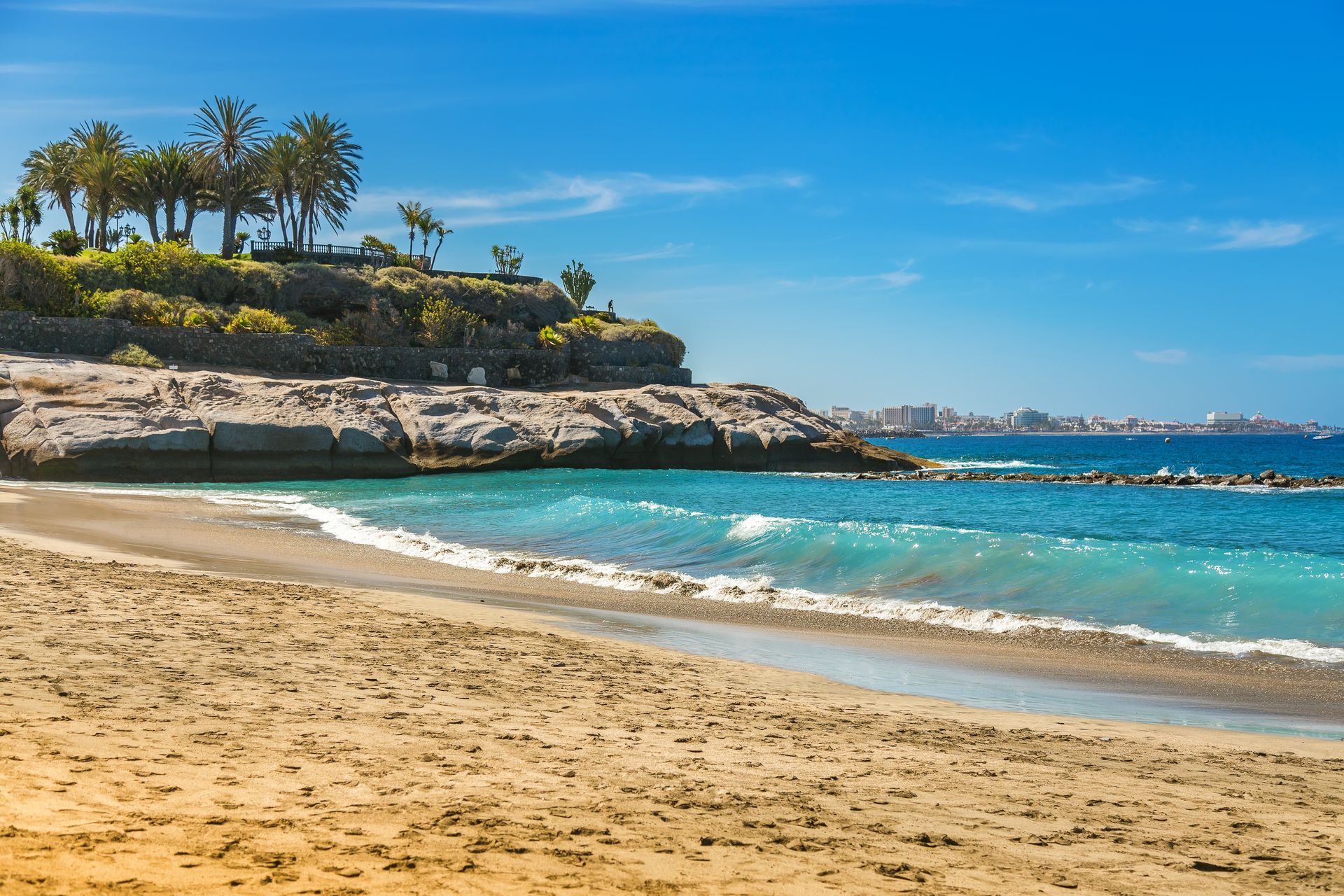
Tenerife is the largest of the Canary Islands and one of those destinations that offers something for everyone. It’s famous for the dramatic Mount Teide volcano, Spain’s highest peak, which dominates the island’s landscape and creates some of the most incredible scenery in the Canaries. Driving through the national park around Teide feels almost like stepping onto another planet.
Beyond the volcanic landscapes, Tenerife is loved for its year-round sunshine, lively beach resorts, and welcoming atmosphere. Whether you’re relaxing on golden beaches in Costa Adeje, exploring traditional towns like La Orotava, or enjoying whale and dolphin watching trips along the coast, Tenerife is an island that effortlessly blends adventure, relaxation, and sunshine.
Mallorca
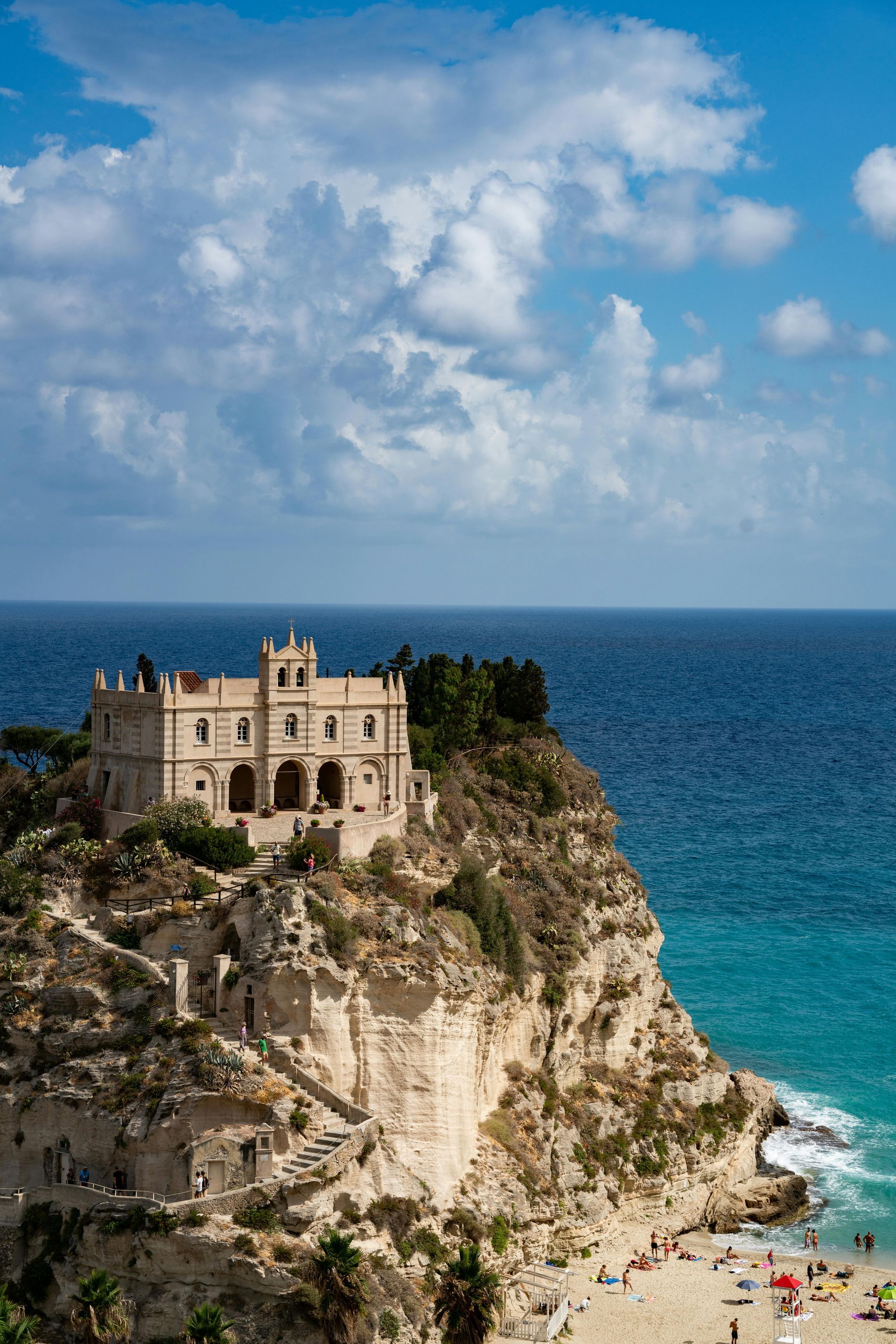
Mallorca has long been one of the Mediterranean’s most loved islands, and it’s easy to see why once you’ve spent time there. The island is famous for its beautiful mix of golden beaches, dramatic mountain scenery, and elegant historic towns. Palma, the island’s capital, is a highlight in itself, with its grand cathedral, stylish marina, and lively streets full of cafés and boutiques.
What really makes Mallorca special is the variety it offers. One day you can be relaxing on a quiet cove with crystal-clear water, and the next exploring the winding roads of the Serra de Tramuntana mountains or visiting charming villages like Valldemossa. With wonderful food, scenic landscapes, and a relaxed Mediterranean pace, Mallorca is an island that feels effortlessly inviting.
Lanzarote
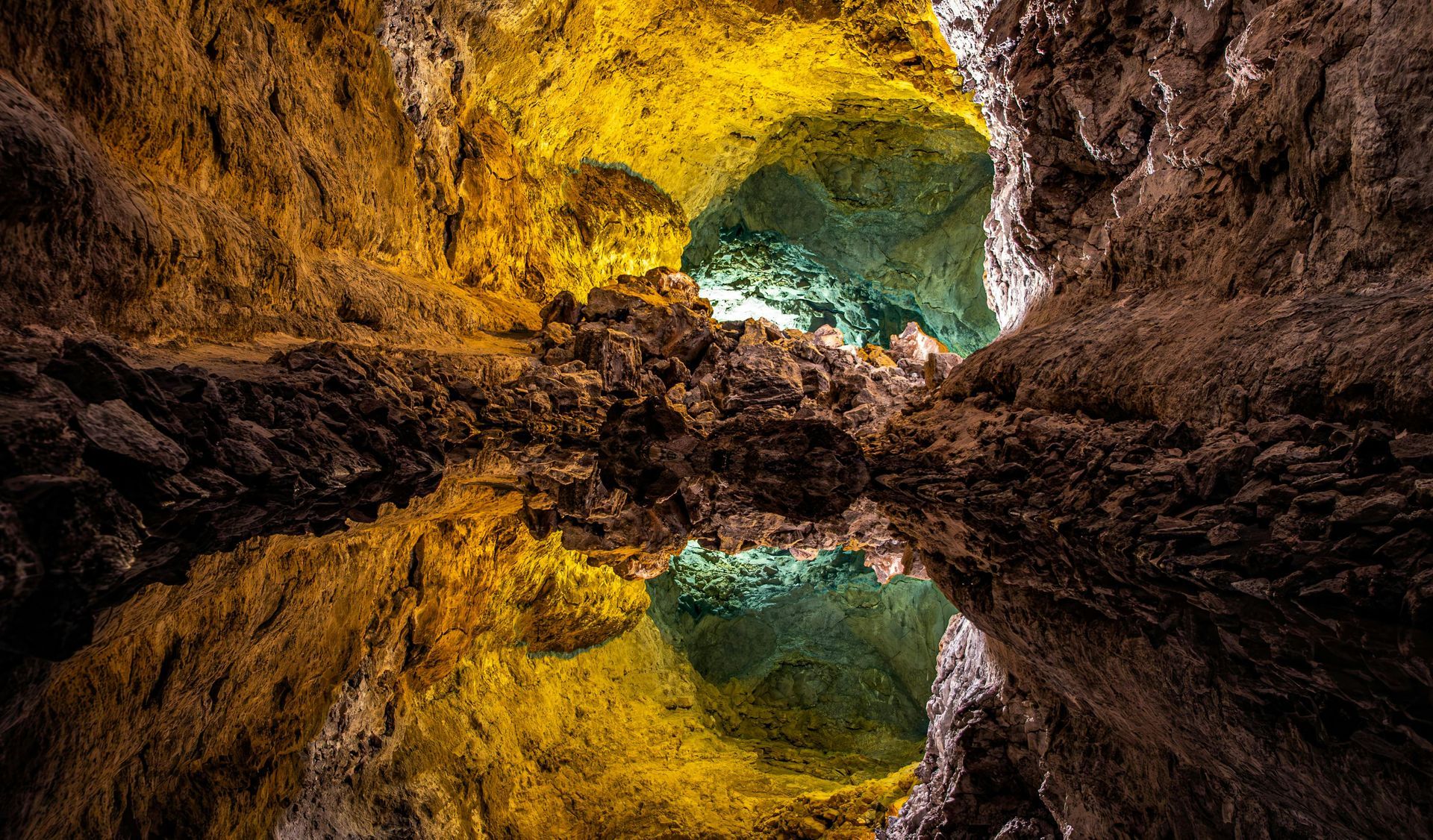
Lanzarote is one of the most unique islands in Spain, instantly recognisable for its dramatic volcanic landscapes and striking black lava fields. The island is famous for its otherworldly scenery, particularly in Timanfaya National Park, where the ground still holds heat from past eruptions and the landscape looks almost lunar.
Despite its rugged appearance, Lanzarote has a calm and artistic charm that sets it apart. Much of this is thanks to local artist César Manrique, whose influence helped preserve the island’s natural beauty and distinctive architecture. From relaxing on golden beaches in Playa Blanca to exploring volcanic vineyards in La Geria, Lanzarote offers a truly different kind of island escape that stays with you long after the trip ends.
Travel Tips for First-Time Visitors
- Check meal times before you plan your evenings: In Spain, lunch and dinner are often served later than many British travellers expect, and this catches people out on day one.
- Keep your travel documents handy when you arrive:
Border officials may ask for proof of accommodation, insurance, onward travel, and evidence that you can fund your stay.
- Use official websites and authorised sellers for tickets: This matters for major attractions and tourist cards, and it can save both money and hassle.
- Do not try to cram too much into one trip: Spain looks simple on a map, but the experience changes a lot between islands, coasts, and cities, so one region done well is usually better than four done badly.
- Pick your base around your holiday style: Barcelona works well for city and beach, Mallorca for an easy all-round island break, Costa del Sol for classic sunshine, and Tenerife for all-season flexibility.
Travel Tips for Experience Explorers
- Travel in the shoulder season when you can:
Spring and early autumn are superb for city breaks, touring, and food-led trips, especially if you prefer comfortable sightseeing weather over peak summer heat.
- Go deeper than the headline resorts: Spain rewards repeat visitors who look beyond the obvious and explore lesser-known routes, inland towns, and regional food culture.
- Swap extra domestic flights for high-speed rail on the mainland:
It is fast, comfortable, and ideal for linking major cities without wasting half a day in airports.
- Book the big-name sights in advance: This is especially important for major attractions such as the Alhambra, where advance booking through official channels is recommended.
- Use a car where it genuinely adds value: On islands like Tenerife, and on scenic coastal or regional touring holidays, car hire opens up places you simply will not experience as easily on a standard package itinerary.
Start Your Spanish Adventure Today
From first holidays to fifteenth visits, Spain has a way of pulling people back.
Spain works so well because it is not just one kind of holiday destination. You can spend a few days in Barcelona and feel as though you have had a stylish city break by the sea, then head to Mallorca for coves and long lunches, or switch completely and fly to Tenerife for winter sunshine and volcanic scenery. Add in excellent transport links, major airports, strong resort infrastructure, and a high-speed rail network that makes mainland travel much easier than many people expect, and it becomes very clear why Spain remains one of Europe’s most dependable holiday choices.
What I like most about recommending Spain is that it rarely feels one-note. Yes, the beaches are brilliant, and yes, the weather is a huge draw, but what keeps people coming back is the mix of atmosphere, food, regional character, and how easy it is to shape the trip around your own style. Whether you want family-friendly Spain holidays, romantic Spain escapes, winter sun in Spain, or a more layered trip built around cities, rail journeys, and regional discoveries, it is a destination that keeps giving you reasons to return. 2